Sony A7CR
61 megapixels. Full frame. Fits in a sling bag.
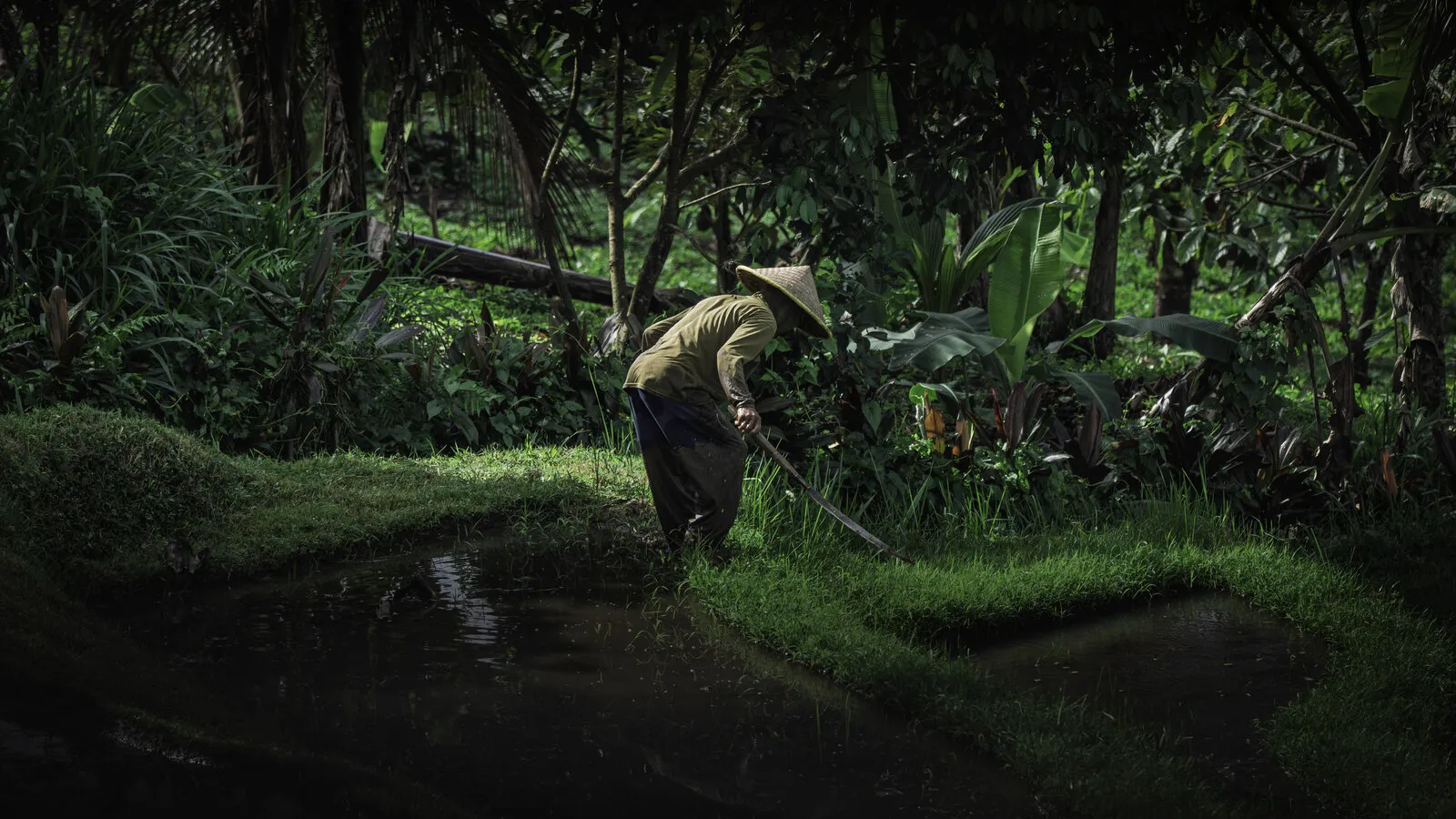
This is the landscape and travel workhorse. 61MP sensor from A7RV in compact body. Switch to APS-C crop mode and the 61MP sensor still delivers 26MP - identical to a dedicated APS-C body - while giving every lens 1.5x more effective reach. No second body needed, no lens change, no quality compromise. Not the fastest AF, not the best video - but for landscapes, golden hour, National Park panoramas, nothing comes close.
Sony FE 20–70mm f/4 G
Wide enough for slot canyons at 20mm, isolates details at 70mm. With 61MP you can crop to 105mm - and the result is sharper than the Sony 24-105 at native 105mm. So you get a wider short end, less weight, and better image quality even when cropped.
View on Amazon →Sony FE 70–200mm f/4 Macro G OSS II
Same optical quality as f/2.8 GM at half the price and less weight, plus macro. Compresses distant mountain layers beautifully.
View on Amazon →Sigma 20–200mm f/3.5–6.3
When you want one lens and nothing else. Covers everything from ultra-wide to telephoto. Heavier and slower than the 20-70, but if you only want to carry a single lens, this is it.
View on Amazon →Sony GM Primes (24, 35, or 50mm f/1.4)
Small, fast, image quality leagues beyond any zoom. The 35mm is the classic choice, but the X100VI already covers that focal length, so the prime slot stays flexible.
View 24mm on AmazonSony FE 300mm f/2.8 GM OSS
At ~€6,500, not a lens most people buy - but my personal pick for safari. 300mm at f/2.8 lets you capture animals in their natural environment instead of zooming straight into their face. You get context, habitat, storytelling. On the A7CR: buttery bokeh at 300mm. On the A6700: 450mm. Rent it - National Geographic results at rental prices.
View on Amazon →Sony FE 200–600mm f/5.6–6.3 G
This is what I own. A beast at 600mm and 2kg+. Incredible reach, surprisingly good IQ for the price, internal zoom. On a game drive vehicle, weight is irrelevant. For dedicated wildlife trips, hard to beat.
View on Amazon →
Sony A6700
Lightweight. Versatile. The APS-C advantage.
This is NOT just a video camera. It's a second body that doubles as the dedicated video rig. APS-C means the 1.5x crop factor gives you effectively longer reach with smaller, lighter lenses - a massive advantage for safari and wildlife. 4K 120fps for cinematic slow-motion. Same Sony E-mount means full lens sharing with the A7CR without carrying two separate systems. Light enough to carry all day without noticing.
Sony E PZ 16–50mm f/3.5–5.6 OSS II
Tiny, light, great for video. Takes up almost no bag space. The standard walk-around when you want to travel as light as possible.
View on Amazon →Sony E 18–135mm f/3.5–5.6 OSS
27–200mm equivalent reach in one lens. When you want a single lens on the A6700 that covers everything from wide to portrait to mild telephoto.
View on Amazon →Sony E 70–350mm f/4.5–6.3 G
On the A6700: 105-525mm effective reach at under 650g. This is the APS-C answer to the Sony 200-600 on the A7CR - only 75mm less at the long end, but in a package that is a fraction of the size and weight. If you want to save money and don't need full frame, this lens does the job for wildlife and safari.
View on Amazon →
Fuji X100VI
The camera that lives in the jacket pocket.
Fixed 23mm f/2, incredible film simulations, and a shooting experience that makes you pick it up constantly. Doesn't compete with the Sony - does something else entirely: makes you shoot more. The fixed lens forces you to move, compose differently, see the scene instead of zooming past it. Every street shot, restaurant, candid moment - that's the Fuji. We deliberately chose a night shot to show there are no compromises in low light either - the 40MP sensor and f/2 lens deliver clean, detailed images long after sunset. Also where our Film Simulation Recipes come from.